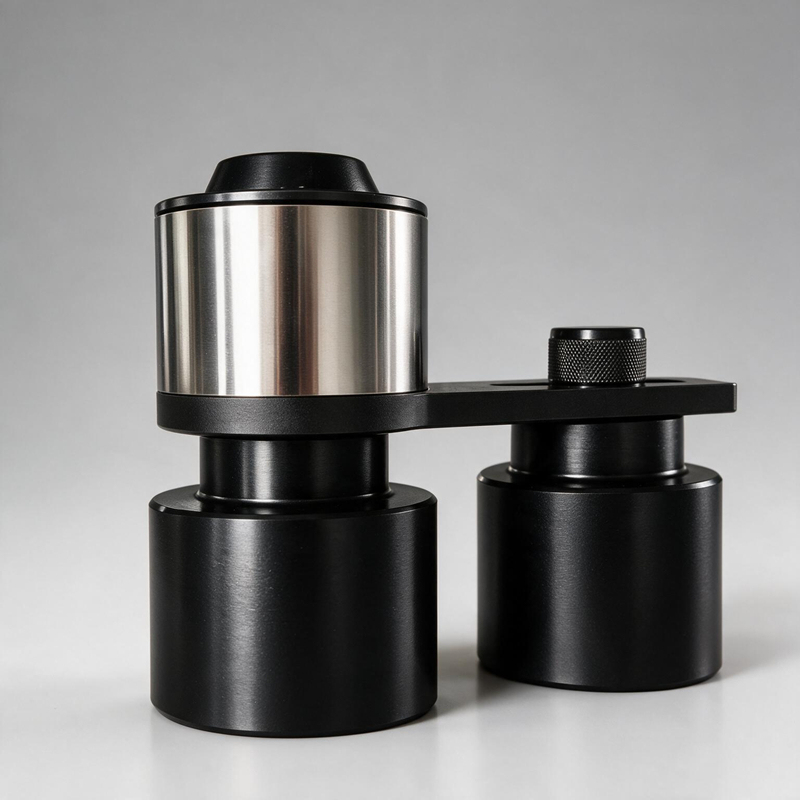
描述
Product Overview
In power plant maintenance, industrial production, equipment installation, and overhaul operations, tightening and loosening large-diameter bolts and nuts can be difficult, particularly in confined working spaces where extension bars or conventional special-purpose wrenches cannot be used.
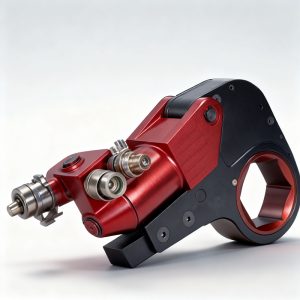
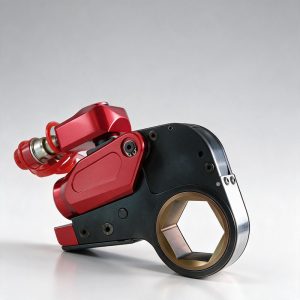
The Torque Multiplier is designed to solve these high-torque bolting challenges by multiplying a relatively small input torque into a much larger output torque, allowing large bolts and nuts to be tightened or loosened with significantly reduced operator effort.
Product Structure
The new-generation torque multiplier is available in different structural configurations to meet various industrial bolting requirements, including:
Angled-Type Torque Multiplier
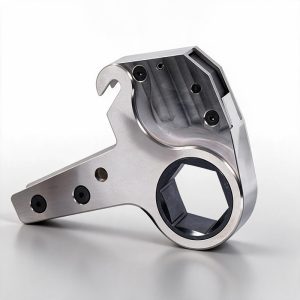
Flat-Type Torque Multiplier
Product Features
Suitable for confined spaces and applications where external power sources cannot be used.
High-efficiency planetary gear system converts low input torque into high output torque.
Output torque accuracy: ±5%.
Manufactured from high-strength special steel for durability and long service life.
On flat-type torque multipliers, the reaction point position can be adjusted according to actual working conditions.
Customized reaction arms are available according to specific application requirements.
Technical Specifications
Angled-Type Torque Multiplier
Technical parameters are available according to model and torque range.
Flat-Type Torque Multiplier
Technical parameters are available according to model and torque range.
Required Equipment
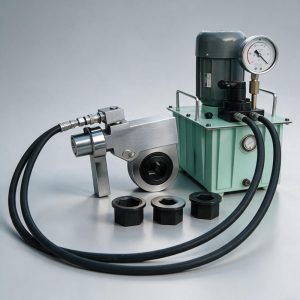
The following equipment is normally required for torque multiplier operation:
Suitable drive tool or heavy-duty socket
Reaction arm
TYD Torque Wrench
Operating Instructions and Safety Precautions
1. Reaction Arm Positioning
When operating the torque multiplier manually, position the reaction arm in the direction opposite to the output rotation and ensure that it rests firmly against a strong and stable reaction surface.
If the standard reaction arm is unsuitable for the available working space, a customized reaction arm should be selected according to the actual application.
Do not operate the reaction arm outside its specified working range.
For special applications or when extended sockets are required, the reaction arm may be extended where permitted, but the specified operating limits must not be exceeded. Improper reaction arm positioning may result in excessive wear or damage to the torque multiplier output mechanism.
Note: Avoid using excessively long sockets whenever possible, as they can increase bending loads and operational risks at the output drive.
Setting Torque for Bolt Tightening
1. Confirm the required tightening torque of the bolt.
2. Install a calibrated torque wrench on the input drive of the torque multiplier.
3. Set the torque wrench according to the torque multiplication ratio of the multiplier.
4. Select a torque wrench with the correct square drive size for the multiplier input.
5. The torque wrench should be periodically calibrated to maintain torque accuracy.
Setting Torque for Bolt Loosening
1. Confirm that the required loosening torque will not exceed the rated capacity of the torque multiplier.
2. Determine the allowable maximum input torque according to the multiplier’s maximum output torque and multiplication ratio.
3. Select a suitable torque wrench with the correct input square drive.
Note: Some torque wrenches may not provide an audible or mechanical indication when operated counterclockwise. Confirm that the selected torque wrench is suitable for reverse-direction operation.
Torque Multiplier Operation
1. For bolt tightening, determine the required bolt torque and calculate the corresponding input torque according to the multiplier ratio. Select a suitable heavy-duty socket.
2. Position the torque multiplier reaction arm securely against an appropriate reaction point.
3. Install the correctly selected and calibrated torque wrench onto the multiplier input.
4. Apply force to the torque wrench smoothly and steadily until the wrench reaches its preset torque indication. The required output torque has then been applied to the bolt.
Note: If the torque multiplier cannot be removed easily after tightening, carefully relieve the residual load on the socket and reaction system before removing the tool. Avoid excessive impact that may damage the multiplier, socket, or bolted joint.